
It’s a story that sadly keeps repeating itself—and every time, it feels just as disturbing.
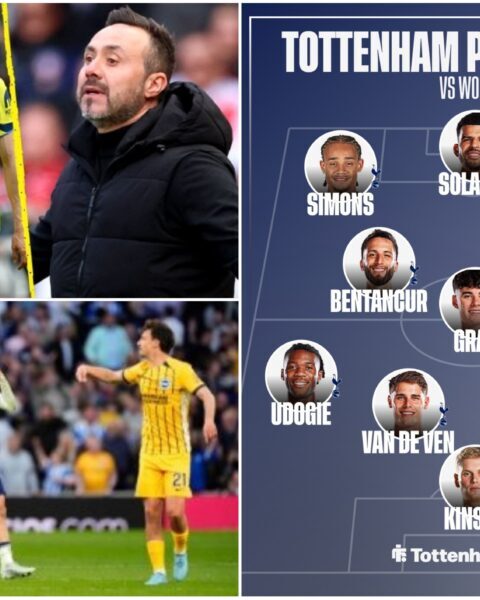
After Tottenham Hotspur’s dramatic 2-2 draw with Brighton & Hove Albion, where a late stoppage-time goal denied Spurs victory, defender Kevin Danso became the victim of shocking racist abuse online. The timing made it even more troubling, as it occurred during the Premier League’s No Room for Racism campaign weekend.
Danso’s involvement in the equaliser is undeniable—his decision to play out from the back rather than clear the danger contributed to Brighton’s goal. However, that mistake came during what had otherwise been a strong and composed performance. Football is a collective effort, and no single player should carry the full blame for a result. More importantly, nothing justifies the racist abuse directed at him—much of it from anonymous accounts claiming to support his own team.
To their credit, Tottenham acted quickly, issuing a firm statement condemning the abuse and promising decisive action. The club confirmed that Danso had been subjected to “significant and abhorrent” racist messages across social media, describing the content as vile, dehumanising, and criminal.
They also revealed that efforts are underway to identify those responsible, with cases being reported to authorities, including the Metropolitan Police, and cooperation extending internationally where required. Social media platforms have been alerted, with the club pushing for strict punishments.
Tottenham reiterated their full support for Danso—not only as a player but as a person—making it clear that no one at the club should face such abuse alone. They also stressed a crucial point: while performances can be criticised, racism has no place in football or society, and the two should never be conflated.
The club further highlighted ongoing collaboration with specialist organisations to track online abuse, warning that offenders could face serious consequences, including criminal charges, stadium bans, fines, or even imprisonment. Tottenham have previously taken legal action against individuals involved in similar incidents, including those based overseas.
Yet beyond the official response, frustration lingers. This is not a new problem—it has persisted for years and continues to resurface despite campaigns and awareness efforts.
It’s deeply disappointing to see how quickly some turn on a Black player, particularly one who has shown commitment throughout a challenging season. Equally concerning is the failure of social media platforms to consistently clamp down on anonymous abuse, despite having the means to do so.
Perhaps most sobering is the reality that no club is exempt. Every fanbase has its negative elements—and incidents like this highlight just how much progress is still needed.