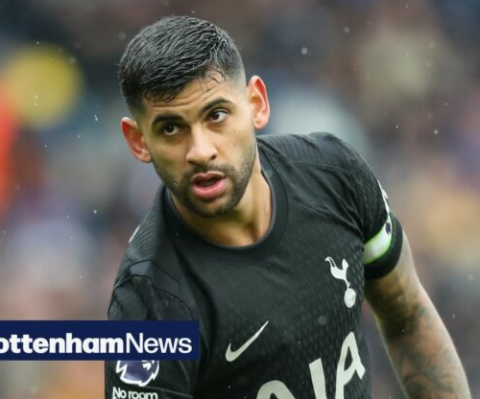

Tottenham Hotspur captain Cristian Romero has hit back at claims labelling him a “toxic captain,” insisting the criticism does not reflect his leadership style or the mood inside the Spurs dressing room.
The debate was sparked after Jamie Carragher questioned Romero’s suitability as captain on a popular football show, pointing to his fiery nature and confrontational edge as potential drawbacks for a club seeking consistency. The comments quickly divided opinion over what kind of leadership Tottenham truly need.
Rather than engaging in a war of words, Romero let his performance do the talking.
Leading by Example
Tottenham’s recent 2–0 victory became a defining response. Under pressure following a tough spell, Spurs produced a composed, disciplined display built on structure and control. They managed the tempo well, stayed organised defensively, and showed calm in moments that had previously unsettled them.
Romero was central to that control. Instead of playing on emotion, he led with authority—organising the defence, communicating constantly, and stepping in decisively when needed. It was a performance that challenged the idea that his leadership breeds chaos.
Romero Speaks Out
After the match, the Argentine addressed the criticism directly. “I respect opinions, especially from people who’ve achieved a lot in football,” he said. “But I don’t agree with being called toxic. Leadership means setting standards and holding teammates accountable.”
He explained that his intensity comes from responsibility, not recklessness. “When you captain a club like Tottenham, you have to care. You have to speak when things aren’t right—that’s part of the job.”
Intensity vs Control
Romero’s captaincy reflects his playing style: aggressive, fearless, and emotionally charged. Critics believe that can lead to unnecessary confrontation, especially under pressure. But Spurs’ recent performances suggest a more balanced picture, with improved game management and discipline on display.
The latest win showed a team in control—often a sign of effective leadership.
Respect Inside the Squad
Within the club, Romero remains a respected figure. Teammates view him as someone who takes responsibility in difficult moments and demands high standards. He is described as direct and demanding, but fully committed to the team’s progress.
That influence was clear again as Spurs defended together, communicated well, and handled key phases with maturity.
Fans Push Back
Supporters have also dismissed the “toxic” label, seeing Romero’s edge as a positive shift for a club long accused of lacking strong on-pitch leaders. After the win, much of the praise focused on Spurs’ organisation and composure—traits many fans link to their captain.
The Bigger Picture
The debate has reopened a wider discussion about modern captaincy. Some prefer calm, understated leaders; others believe teams still need emotional figures who push standards relentlessly.
Romero is firm in his view: “Football is emotional. What matters is that the emotion helps the team.”
For now, he remains focused on results, not narratives. “People will always talk,” he said. “What matters is how we play.”
The 2–0 win may not end the argument, but it reinforced Romero’s claim that his leadership brings unity, discipline, and resilience—rather than toxicity—as Tottenham move into a crucial stage of the season.