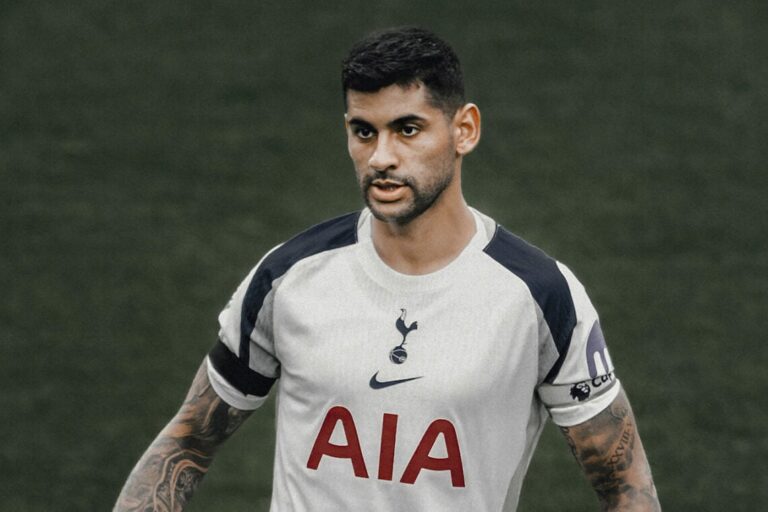
Cristian Romero urgently needs to rein in his behaviour, or Thomas Frank may soon be left with no option but to make a tough call on the defender’s role for the wider benefit of Tottenham Hotspur.
Whenever Romero comes under scrutiny, the same defences are routinely wheeled out. His status as a World Cup winner is often used to deflect criticism, as if success on the international stage should automatically exempt him from assessment at club level. When his disciplinary record is raised, others downplay the issue or argue that his reckless edge is a thing of the past, exaggerated by an unforgiving media narrative.
But there comes a time when reputation and sentiment have to be put aside. Romero should be judged by the same standards as every other Tottenham player — on current form, consistency, availability and behaviour — not on past honours or emotional attachment. Viewed through that lens, some uncomfortable questions emerge.
Standards slipping at the back
Tottenham need their captain to be one of the most reliable and composed figures on the pitch. This season, Romero has failed to meet that benchmark. The Argentine has delivered a series of patchy performances and has been responsible for several costly errors in recent months.
Those concerns were laid bare in last Sunday’s 2–1 defeat to Liverpool, where Romero was culpable in two decisive moments. Some outlets even described him as a “liability” — a label that may be harsh — but it reflects a growing unease. The problem is not a single poor game, but how often Romero now seems to fall short when Spurs most need leadership and control.
Discipline remains the overriding issue
More worrying than his form, however, is Romero’s ongoing lack of discipline. At 27, he initially appeared to have learned from the criticism he faced during his early years in north London, showing signs of greater restraint. This season, that progress has unravelled.
His red card against Liverpool means he is already serving his second Premier League suspension of the campaign. Even more concerning, he is edging towards another ban, needing just three yellow cards in his next 15 matches to be suspended again. It raises an obvious question: how effective can a captain be if he is regularly unavailable due to preventable suspensions?
Too many of Romero’s bookings are entirely avoidable. He commits needless fouls, flies into challenges without reason and frequently allows his emotions to get the better of him. Several cautions have come not from defending, but from remonstrating with referees — the most futile form of indiscipline and a poor example for the rest of the squad.
A lack of accountability
Adding to the frustration is Romero’s silence when accountability is required. After the Liverpool defeat, there was no public acknowledgement or apology from the Tottenham captain. In contrast, Xavi Simons openly accepted responsibility for his own red card in the same match. This pattern is becoming familiar: quiet when things go wrong, visible only after standout performances.
For a captain, accountability is non-negotiable. True leadership means confronting difficult moments, not just enjoying the highs.
Frank’s captaincy conundrum
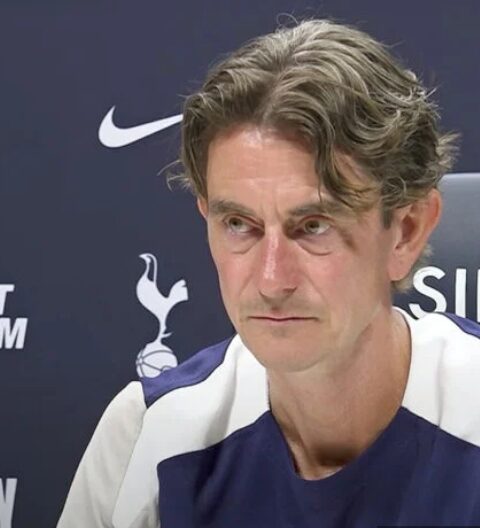
Thomas Frank must now ask himself whether Romero remains the right role model for a young and developing Tottenham side. If the defender cannot control his temperament and show greater maturity, stripping him of the armband may become a necessary step to safeguard the team’s progress.
That decision would not be simple.
Alternatives within the squad are limited. James Maddison is currently injured. Guglielmo Vicario, while talented, has yet to show strong leadership qualities. Ben Davies rarely starts, reducing his influence. Micky van de Ven is another option, but the 24-year-old has shown flashes of his own emotional volatility when captaining the side this season.
Romero still has the quality and authority to be an effective captain for Tottenham — but only if he accepts responsibility and makes immediate changes to his conduct. Until then, Frank must consider whether sticking with his current skipper is doing more harm than good, even if identifying a suitable successor is an equally daunting challenge.