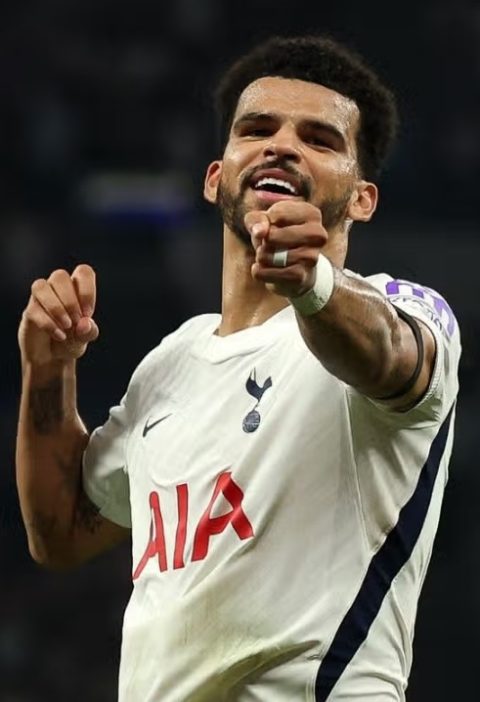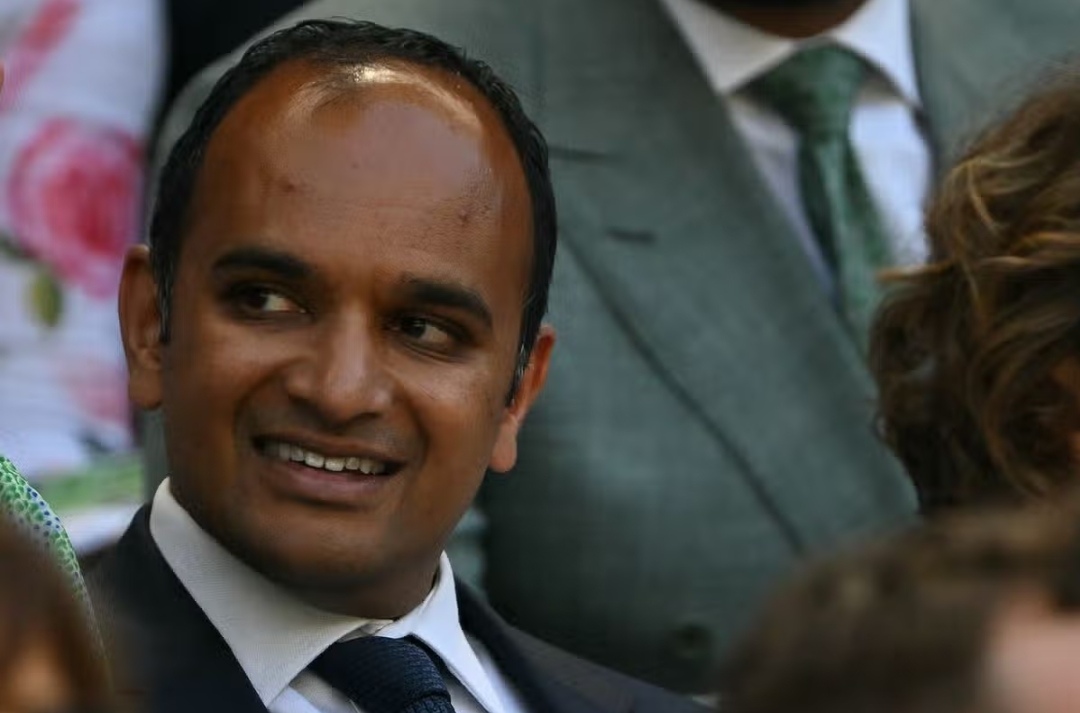
Tottenham chief executive Vinai Venkatesham has publicly thrown his support behind head coach Roberto De Zerbi, while conceding the club will have to be careful with its spending from here on.
Spurs rebuilt their squad over the summer, committing more than £300million to bring in 10 new players. Several important figures departed, among them captain Cristian Romero, full-back Djed Spence and goalkeeper Guglielmo Vicario.
The early results have been poor. Tottenham are bottom of the Premier League after five games without a win, and their first league goals of the season only arrived in the 3-2 defeat to Aston Villa. De Zerbi’s side were also knocked out of the Carabao Cup at Anfield by Liverpool in the third round last month.
Venkatesham addressed the situation at a recent meeting with the club’s Fan Advisory Board, and the minutes have now been published. They show he remains confident in the head coach, the new signings and the changes made, and that he pointed to a lot of work going on behind the scenes. He accepted that such a big overhaul could take time to bed in, and said he saw encouraging signs in the underlying performances since the opening-day loss. He also admitted the points tally is disappointing and understood the frustration among fans after last season, adding that the supporters’ backing home and away had been excellent and that the club has to earn their belief through results.
On recruitment, he said the window involved around 35 first-team deals, counting arrivals, departures and contract renewals. The aim was a squad built on quality, character and physical strength, mixing Premier League experience with younger players who can grow at the club. He saw the new contracts for Micky van de Ven and Pedro Porro as a sign of senior players buying into the direction of the club.
Venkatesham was also clear that Spurs will have to keep selling players at the right moments to stay within the profit and sustainability rules of the Premier League and UEFA. He described financial regulation as a real constraint, noting the club has not made a profit since 2019 and that wages and transfer fees keep pushing costs up. Back-to-back 17th-place finishes and the lack of European football this season have also hurt revenue.
The Premier League limits squad costs to 85% of revenue, which the club monitors, while UEFA is stricter with a 70% cap and a three-year profitability test, something that matters given Tottenham’s wish to return to Europe. Growing commercial income, including from concerts and other events at the stadium, is therefore seen as key to creating extra room for football spending, though he stressed that football remains the club’s top priority.