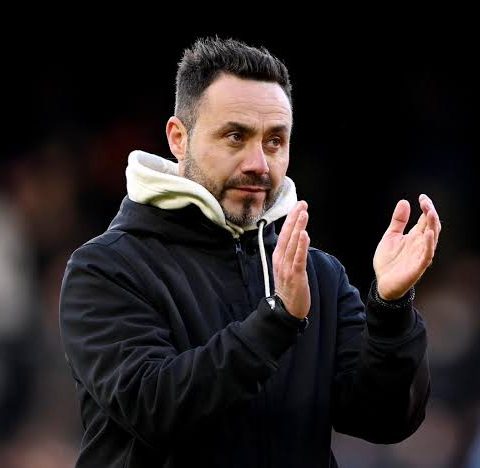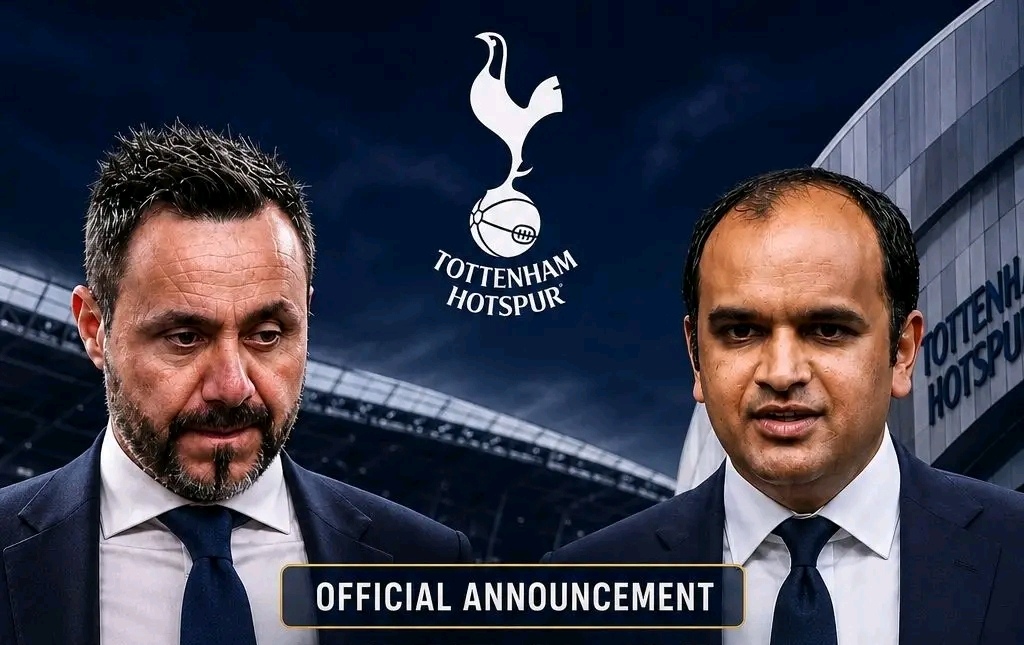
Tottenham chief executive Vinai Venkatesham has publicly stood by head coach Roberto De Zerbi as pressure builds on the Italian, and he has also shed light on how the club will approach future transfers.
Spurs spent over £300million in the summer and welcomed 10 new players in a major squad overhaul, yet results haven’t followed. After five Premier League games they sit bottom of the table, and they have already been eliminated from the Carabao Cup by Liverpool. Their first league goals of the season arrived in the loss to Aston Villa, but the 3-2 scoreline left De Zerbi still without a win and under greater scrutiny.
Even so, Venkatesham insisted the club is firmly behind its manager. At a recent meeting with the Fan Advisory Board at the Tottenham Hotspur Stadium, he voiced confidence in De Zerbi, the new signings and the changes made, and highlighted the amount of work going on behind the scenes. The published minutes say the club accepts that such sweeping changes on and off the pitch may take time to pay off.
He found some encouragement in the performances since the opening-day defeat, though he admitted the points total is disappointing and that supporters are understandably frustrated after another poor season. He thanked fans for their loyal backing home and away, but stressed that the club must repay it with better results.
On recruitment, he revealed that the club handled roughly 35 first-team deals over the summer once arrivals, exits and renewals were counted. The focus was on quality, character and physical strength, blending Premier League experience with younger players who can develop. He pointed to the new contracts for Micky van de Ven and Pedro Porro as proof that two senior players believe in where the club is heading.
Venkatesham also warned that financial rules will shape what Spurs can do next, and that another big spending spree, especially in January, may be hard to pull off. The club must time its player sales carefully to stay within the Premier League’s profit and sustainability rules and UEFA’s regulations. He called the rules a genuine restriction, noting Tottenham haven’t turned a profit since 2019, that wages and transfer fees keep climbing, and that back-to-back 17th-place finishes and no European football this season have hit revenue.
The Premier League caps squad costs at 85% of revenue, while UEFA’s limit is tighter at 70% and includes a three-year profitability test. To create more room for football investment, Venkatesham said the club needs to grow commercial income, including through concerts and other stadium events, although football remains the top priority.
Spurs are next in action on October 10 at Old Trafford against Manchester United, still hunting their first league win of the season.