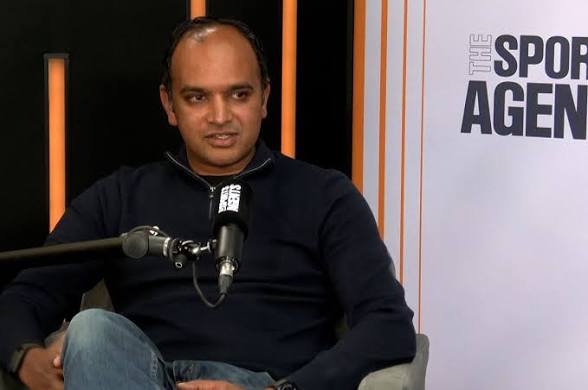
Tottenham chief executive Vinai Venkatesham has spoken about the club’s efforts to deal with their long-running injury troubles, revealing that significant changes have been identified within the medical department as part of a wider push to improve player fitness and availability.
Injuries have frustrated Spurs for three seasons, disrupting preparations, affecting selection and making consistency hard for successive managers. The problem peaked in 2024/25, when as many as 12 players were unavailable at one point, with goalkeepers, defenders, midfielders and forwards all affected. With the club competing on several fronts, the manager often had to lean on a small group of fit senior players rather than rotate. The following season brought little improvement, and the frustration eventually went public when captain Cristian Romero appeared to criticise the club’s hierarchy after a 2-2 draw with Manchester City. He praised his teammates’ effort but questioned how the squad had been left with only 11 available players, calling the situation disgraceful. His words also raised questions about recruitment, squad planning and support for the coaching staff during the winter window.
The numbers back up the concern. Spurs were reportedly the league’s worst-hit side for injuries in 2024/25, and recent figures suggest the club have lost roughly £85 million and more than 7,000 player-days to injury over the past three years. That is why the hierarchy has turned its attention to the structures behind fitness, rehabilitation and medical support.
Speaking on The Sports Agents, Venkatesham admitted the club had found significant room for improvement in the medical team. He said the decision was driven by the publicly visible injury record over a long period, as well as feedback the club had received. In effect, it is an admission that the problem needs more than short-term fixes, and that injuries cannot simply be accepted as part of the game. The core of the plan is a major reset of the medical department, aimed at managing injuries better, cutting down on recurring problems and getting more players available for selection.
Player availability could matter as much to Spurs as new signings. The club have invested heavily in the squad, but that investment loses value when key players are regularly sidelined. Multiple absences force tactical adjustments, push younger players into unfamiliar roles and increase the workload on those who remain, which in turn raises their own injury risk. Better injury prevention, recovery programmes, conditioning, medical assessments and communication between departments are all part of modern player welfare, though a new structure alone won’t remove injuries. What Spurs need is a system that spots risks early, manages workloads well and ensures injured players are properly treated before returning.
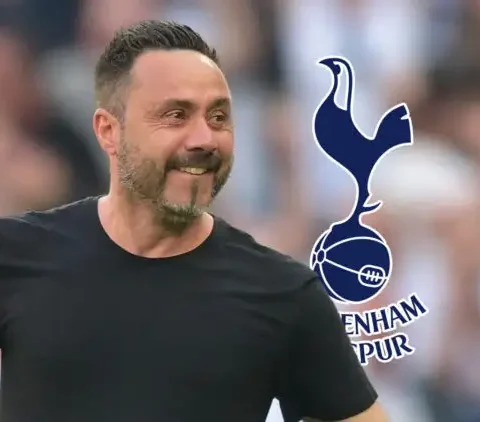
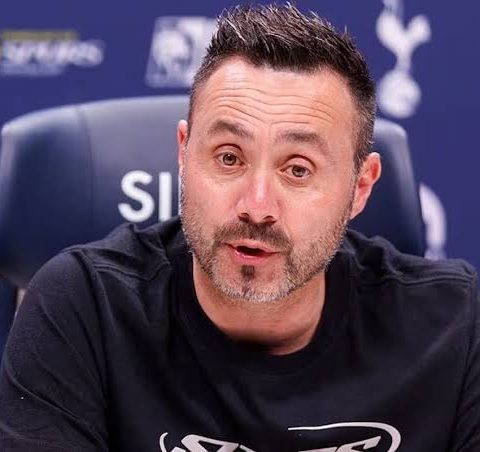
The timing is important for Roberto De Zerbi, who needs a consistently available squad to implement his ideas and build a successful side. Constant changes to the starting XI make that much harder, while a fit group would give him more flexibility with selection, substitutions and rotation in demanding spells.
Venkatesham’s admission will encourage supporters, but they will judge the changes by results rather than promises. They want fewer recurring injuries, quicker recoveries and a squad that stays competitive all season. Romero’s outburst and the financial losses show how costly the problem has been, and the challenge now is to turn the reset into measurable progress, with fewer players in the treatment room and more on the pitch for Tottenham.