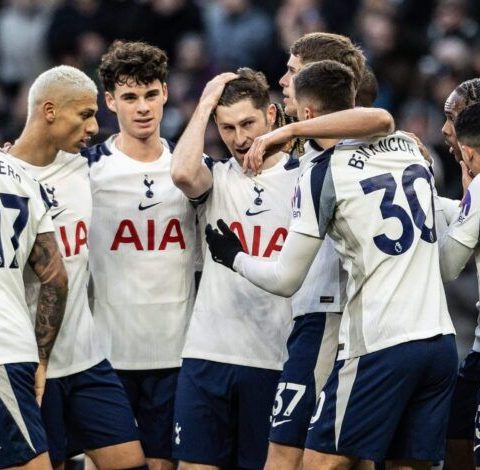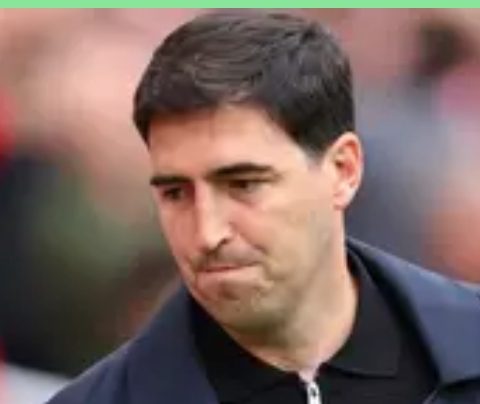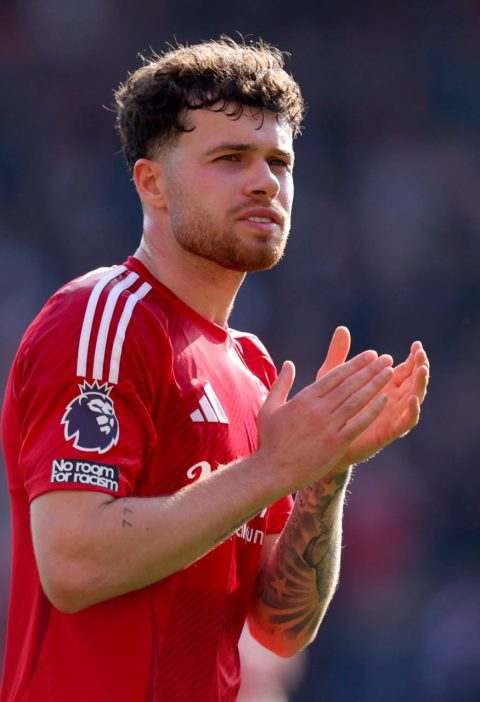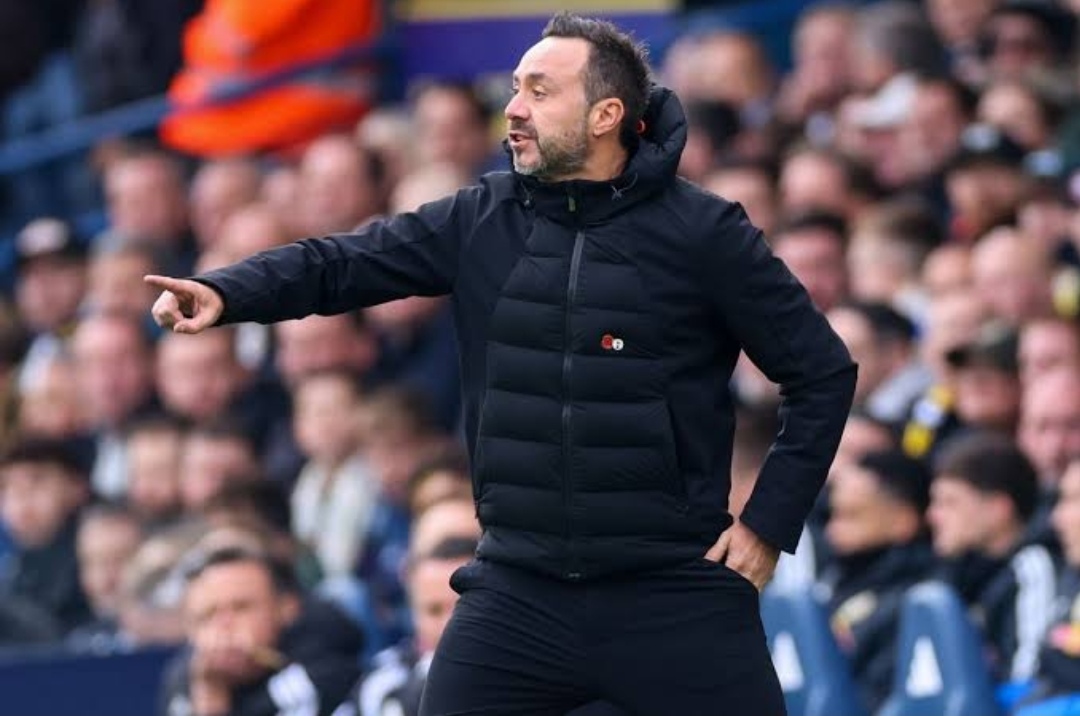
Tottenham’s uneven start to the Premier League season under Roberto De Zerbi has put the spotlight back on their summer recruitment, and Conor Gallagher is increasingly looking like a signing whose future needs a hard look. Ten league games in, Spurs have had a mixed campaign. The early weeks were frustrating as the squad struggled to grasp De Zerbi’s tactical demands. That came after two straight 17th-place finishes and a final-day escape from relegation, so the club went into the summer set on major change.
The response was a huge spending spree: ten new arrivals and close to £400 million committed to rebuilding the squad. Progress eventually showed, with three wins in a row, including a strong display at Stamford Bridge against Chelsea. But a 1-0 home defeat to Leeds on Saturday ended that run and left Tottenham 11th heading into the last international break of 2026. For a club that has spent so heavily, that kind of inconsistency won’t satisfy fans or the board, and De Zerbi knows results must improve to justify the outlay.
There have been real gains in midfield, though. Sandro Tonali and Mateus Fernandes, who cost roughly £185 million combined, have brought quality, energy and control, and both have become regulars in De Zerbi’s XI. The unresolved problem is the number ten role. His system relies on an attacking midfielder who links play, creates chances and works between the lines, but injuries to James Maddison, Dejan Kulusevski and Xavi Simons have stripped him of his best options. Omar Marmoush, signed from Manchester City, hasn’t made the impact expected, while Fernandes and Archie Gray have both been tried further forward without fully fixing the creativity issue.
Gallagher has also had chances in that role, and he hasn’t convinced. He joined in January 2026 from Atletico Madrid in a reported £35 million deal on a long contract, billed as a source of energy, aggression, leadership and goals. Yet after more than 1,500 Premier League minutes he has just two league goals and five yellow cards. His work rate has never been in question, but Tottenham need midfielders who change games in possession, and he hasn’t supplied the creativity, composure or attacking threat. It may also be that he is being asked to do a job that doesn’t suit him, since he is at his best as a pressing, box-to-box runner rather than a creator.
Even so, the reported stance at the club could frustrate supporters. Football Insider claims De Zerbi doesn’t plan to let Gallagher leave in January, despite interest from elsewhere. The manager may value his experience, physicality and willingness to work, and injuries can make squad depth valuable over a long season. Still, the competition is stiff. Tonali and Fernandes are established, Gray, Lucas Bergvall and Rodrigo Bentancur offer alternatives, and Maddison, Kulusevski and Simons are all in the mix further forward once fit. Gallagher’s path to the starting XI, or even a regular place on the bench, is getting harder to see.
That’s why there’s a case for Spurs listening to offers in January if the interest is real. Selling could recoup a good part of the £35 million and free up funds for areas that need work, such as a creative midfielder, a reliable goalscorer or another attacker who can make an instant difference. There’s also the wage bill, with Gallagher reportedly on around £200,000 a week while not being a regular starter. For a club that has spent close to £400 million, making sure every expensive signing contributes should be a priority.
None of this makes a sale a cure-all. His energy and experience are useful, and losing a squad member without a proper replacement could create new problems. But holding onto players simply because they cost a lot isn’t a sustainable approach to recruitment.
De Zerbi has made encouraging progress, with a better-balanced midfield, three straight wins before the Leeds loss and the growing influence of Tonali and Fernandes. He deserves time to implement his ideas, but he also has to recognise when a player isn’t fitting the plan, and Gallagher could be one of his key calls. Right now he looks determined to keep him, but with competition growing and Spurs needing a return on their summer investment, the club may soon have to face an uncomfortable truth: if Gallagher’s form doesn’t pick up, selling him in January may serve Tottenham better than letting another window pass without fixing the problem.