Tottenham Hotspur’s vital 1–0 win over Wolverhampton Wanderers was marred by intense controversy following a disputed refereeing call, as frustration mounted over a dangerous tackle on Yves Bissouma that went largely unpunished.
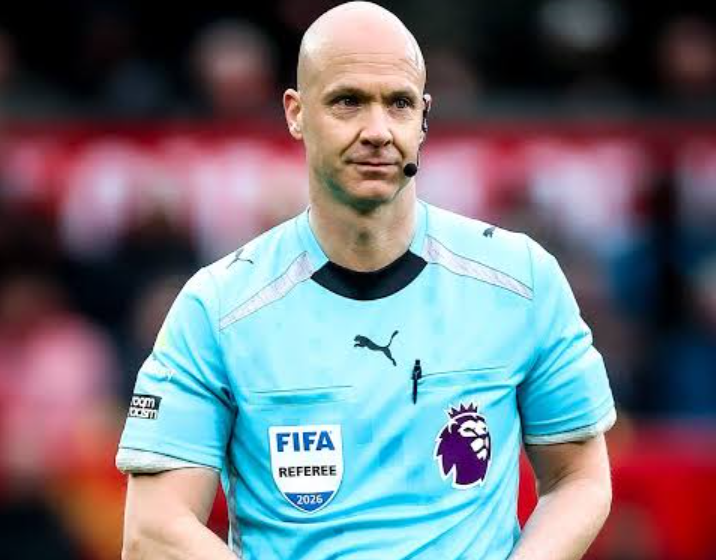
The key moment occurred late in the first half at Molineux, when Wolves midfielder André lunged into Bissouma with a reckless two-footed challenge. Despite its severity, referee Anthony Taylor issued only a yellow card—a decision that quickly drew widespread criticism. Even after a VAR check, the call remained unchanged, leaving many baffled as to how a red card was not given for what seemed clear dangerous play.
Supporters and analysts expressed anger, arguing the decision put player safety at risk and raised serious concerns about officiating standards in the Premier League.
One outraged reaction captured the mood: “This is shocking. Bissouma could have suffered a serious injury, yet Wolves stayed at full strength.”
The incident has further fueled debate over inconsistency in refereeing, with many believing Tottenham were denied a significant advantage in such a tightly contested match.
Despite the uproar, Spurs claimed all three points thanks to a late goal from João Palhinha, ending a 118-day wait for a league win and boosting their survival chances. Still, the controversy has lingered, with critics questioning whether referees and VAR are doing enough to protect players from dangerous challenges.
Even with the win secured, the sense of injustice remains. For many, it raises a pressing question: if that kind of tackle doesn’t warrant a red card, what does?