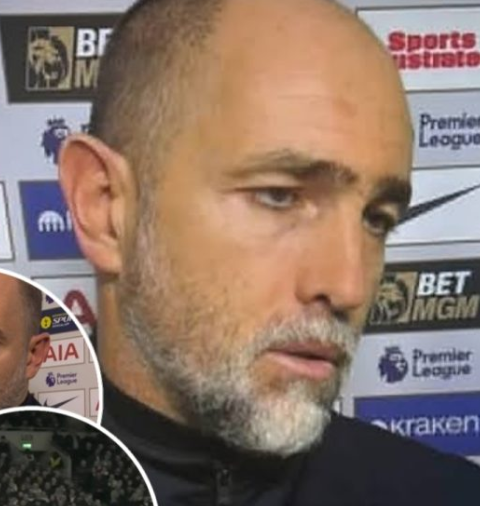
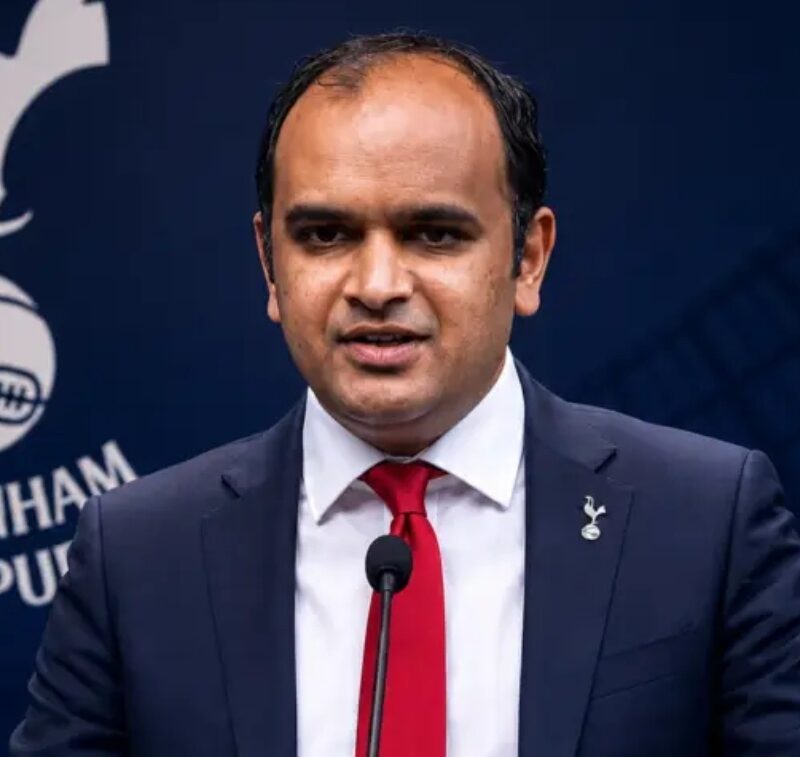
Tottenham Hotspur have been thrown into turmoil following a dramatic sequence of events that allegedly pitted newly appointed chief executive Vinai Venkatesham against manager Roberto De Zerbi in one of the most explosive internal clashes in recent North London history. Tensions reportedly began to simmer behind the scenes shortly after Spurs concluded a difficult but encouraging season, with the club hierarchy determined to accelerate progress and close the gap on their Premier League rivals. (Note: This story is entirely fictional and created for entertainment purposes.)
Venkatesham reportedly unveiled an ambitious restructuring proposal during a closed-door meeting attended by senior coaching staff, recruitment executives, and influential first-team figures. The plan centred on a centralised football model — covering recruitment, tactical analytics, sports science, and youth development under one unified executive framework. However, it also contained a clause that would significantly reduce the manager’s authority over transfer decisions, and that single element proved to be the spark that ignited the crisis.
Roberto De Zerbi, renowned across European football for his uncompromising tactical philosophy, reportedly pushed back immediately and forcefully. During the meeting, the Italian coach allegedly argued that stripping the head coach of transfer influence would fatally undermine the club’s sporting identity, insisting that without coaching authority over squad-building, consistency would be impossible. Within hours, reports emerged that De Zerbi had publicly rejected the proposal during an informal media briefing at the training complex — and the football world sat up and took notice.
Supporters flooded social media with sharply divided reactions, with many praising their manager for standing firm while others argued that modern football demands greater collaboration between coaches and executive departments. Inside the dressing room, senior players were reportedly stunned to learn that sweeping structural changes had been discussed without wider consultation, with several squad members seeking urgent clarification over whether the dispute would impact the club’s summer transfer plans. Captain-level figures allegedly organised a private players-only meeting to contain the unrest, urging teammates to remain focused regardless of boardroom developments.
Football analysts across Europe quickly weighed in, debating whether today’s game has moved beyond the era of the all-powerful manager. Some pointed to clubs thriving under sporting directors and recruitment committees as evidence that executive-led models can deliver sustained success, while others insisted elite coaches must retain meaningful squad-building influence for their tactical systems to function. The controversy also raised broader questions about squad morale, contract negotiations, and whether transfer targets would hesitate before committing to a club in the middle of an internal power struggle.
With media pressure mounting and cameras gathered outside the training ground, Venkatesham eventually broke his silence, stressing the importance of unity and insisting every decision was driven by one ambition — to make Tottenham genuine, consistent competitors for major honours. Pundits identified three possible outcomes: a negotiated compromise, a full withdrawal of the proposal, or an irreparable breakdown that would cast doubt over the futures of both men at the club. For Spurs supporters, the wait for clarity was only just beginning.