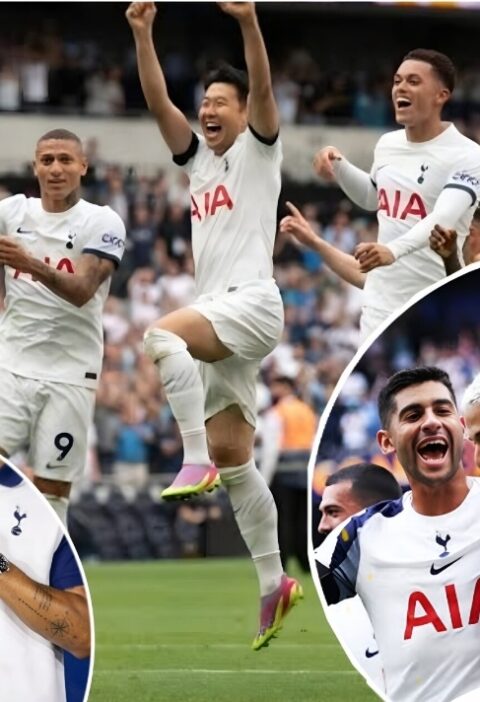
Even the most hopeful Tottenham Hotspur fans are starting to face an uncomfortable truth. What once felt impossible now seems very real—Spurs sit deep in the Premier League relegation zone with only six games left. Optimism has faded into worry, and belief has been replaced by genuine fear around the club.
Tottenham’s position is now extremely serious. The late arrival of Roberto De Zerbi, who took over from Igor Tudor after his short and disappointing 44-day stint, was meant to revive the team’s fortunes. Instead, with time running out, De Zerbi is under huge pressure to turn things around quickly and avoid relegation to the Championship.
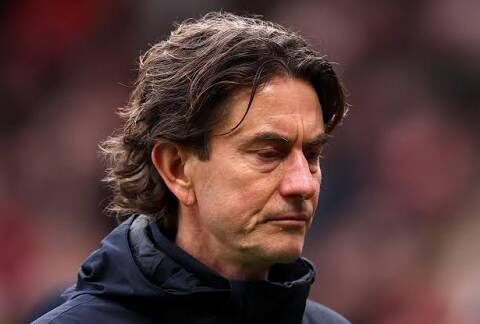
This campaign has been plagued by poor decisions and ineffective managerial spells. Thomas Frank failed to bring stability, while Ange Postecoglou showed early promise but ultimately disappointed. Tudor’s brief tenure only added to the confusion, with the team often looking disorganized and unsure of their tactical approach.
The problems extend beyond the touchline. Key players have underperformed significantly. Micky van de Ven, once a defensive rock, now looks far less assured. But perhaps the biggest concern is in attack, where a lack of creativity and sharpness has made it difficult for Spurs to compete.
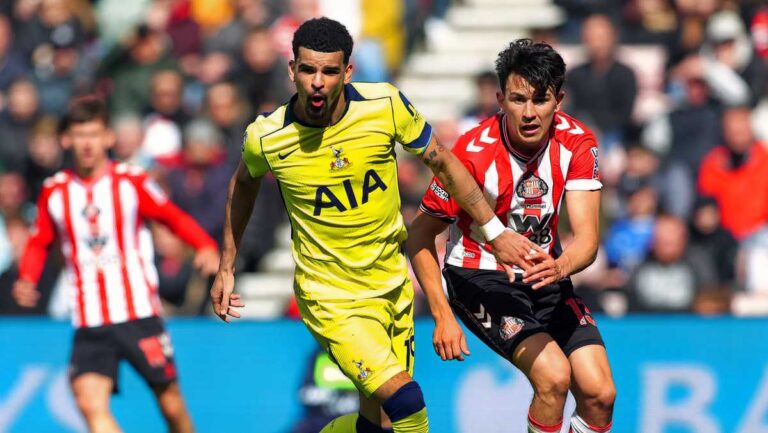
Attention has particularly focused on Dominic Solanke, especially after the loss to Sunderland at the Stadium of Light. That defeat—Tottenham’s 16th in 32 league matches—highlights the scale of their struggles. Since the start of the year, Spurs have been among the worst teams in the league, unable to build any consistency.
Solanke’s return from injury in January brought hope, and he has managed six goals in all competitions in 2026. However, his overall impact has been underwhelming. Against Sunderland, he missed a clear chance before halftime and struggled throughout the match, appearing isolated and ineffective in attack.
In contrast, Sunderland’s Brian Brobbey made a strong impression. While he didn’t score, his physical presence caused constant problems for Tottenham’s defense. He dominated duels and held up play effectively, underlining the lack of strength and presence in Spurs’ frontline.
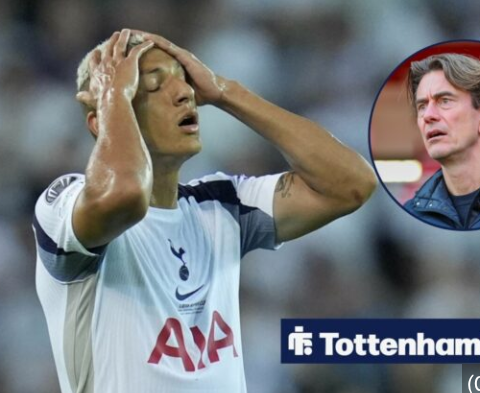
Still, Solanke wasn’t alone in underperforming. Randal Kolo Muani has failed to make an impact and could soon leave, while Richarlison offered little influence during the match.
Perhaps most worrying has been the form of Conor Gallagher. Signed from Atletico Madrid for £35 million in January, he was expected to strengthen the midfield but has struggled badly. Despite his experience, he is yet to win a league game for Spurs and has failed to control matches.
De Zerbi’s decisions have also been questioned. Keeping Gallagher on until the 85th minute against Sunderland raised concerns, especially when more creative players like Xavi Simons were given too little time to make an impact. It points to a wider issue—Tottenham still lack a clear identity under their new manager.
Gallagher may simply not suit De Zerbi’s style, which relies on technical ability, creativity, and fluid attacking play. While Gallagher brings energy and work rate, he has struggled to contribute effectively on the ball in this system.
The statistics only tell part of the story. Tottenham’s performances show a clear lack of cohesion and confidence, and even De Zerbi’s trust in Gallagher has not paid off. Former Spurs midfielder Jamie O’Hara reflected the frustration by giving him a harsh 2/10 rating.
Initially seen as a hardworking and driving force in midfield, Gallagher has instead become a symbol of Tottenham’s wider problems. Even analyst Tactically Matt criticized De Zerbi’s decision to pair him with João Palhinha, calling the partnership ineffective.
Looking forward, De Zerbi must make bold choices. The upcoming match against Brighton offers a chance to reset, but only if changes are made. Starting Simons could add much-needed creativity, while continuing to rely on Gallagher now seems increasingly risky.
At this stage, reputation and transfer fees can no longer dictate selection. If Tottenham are to survive, underperforming players must be dropped. For Gallagher, that could mean spending the rest of the season on the bench, with his future at the club uncertain.
Tottenham’s situation is critical, but not beyond repair. However, without immediate improvement—both individually and tactically—their worst fears may soon come true.