Djed Spence’s standout displays at the World Cup earned him plenty of admirers among the Tottenham faithful. The 26-year-old showed off his knack for driving forward with the ball, exploiting space on the counter and using his raw speed to good effect defensively in one-on-one duels. Given that, Tottenham’s willingness to sanction his £30 million departure caught a number of supporters off guard.
Questions Over His Attacking Output
For all his physical gifts, Spence’s numbers in the final third haven’t quite matched his high-octane reputation. He created just 0.4 chances per 90 minutes on average and found his target with only 19.6% of crosses – both figures sitting below the Premier League norm for full-backs – and he went the entire 2025/26 campaign without registering a goal or assist.
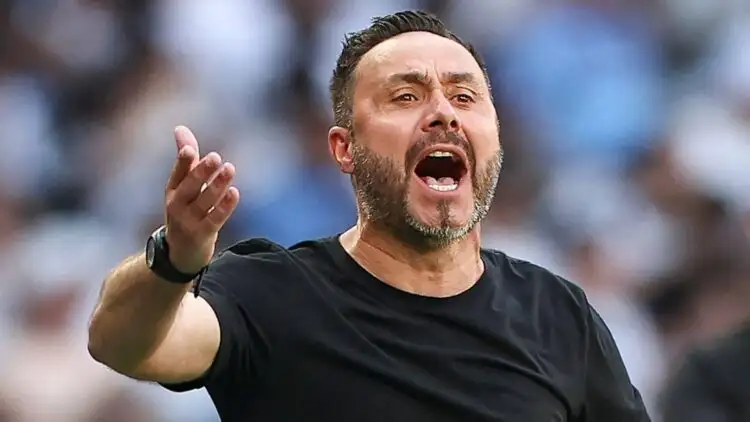
He regularly gets into promising positions, but his execution and choices in the final third often let him down. Ball retention is another concern that could clash with Roberto De Zerbi’s approach – Spence lost possession 29 times last season, worse than 84% of his Premier League peers at full-back. For a coach who wants his side to stay composed and play out of tight spots, that kind of vulnerability is a real problem. With Pedro Porro already established on the right, letting Spence go frees up space for Spurs to bring in a steadier alternative.
Why Inter Might Suit Him Better
A switch to Serie A could actually play to Spence’s strengths. Inter’s system might give him the tactical framework to make the most of his athleticism, potentially deploying him as a right-sided centre-back in a back three rather than a conventional full-back. The Italian club have a track record of developing players who can shift between roles – Carlos Augusto is a good example, having operated at both full-back and centre-back – so the fit could work well.
Did Spurs Undersell Him?
£30 million might look like good business for Inter, but Tottenham weren’t exactly negotiating from a position of strength given the modest interest elsewhere for Spence’s signature, so pushing the fee much higher may not have been realistic. Cashing in while his value was at a peak made sound financial sense regardless, and the sale still represents a healthy profit on the roughly £12.5 million Spurs paid for him back in 2022.
De Zerbi had already signalled his approach earlier in the summer, stating that any player unwilling to fully buy into the club’s project should be free to leave. Fresh off an impressive tournament with England, Spence could hardly be blamed for wanting more than a place behind Porro, Destiny Udogie and Andrew Robertson in the pecking order, especially with no European football to offer extra minutes.
A Glimpse of the New Tottenham Mentality
Spence’s exit fits a broader shift taking shape under De Zerbi. Spurs have been criticised in the past for dragging their feet on departures for players eager to leave, but De Zerbi demands full commitment from his squad, and the club now seems far more prepared to make the tough calls needed to back him.
Unlike predecessors who largely inherited their squads, De Zerbi appears to be wielding real influence over transfers in and out, giving him the freedom to build a team that fits his tactical vision. Spence is still a gifted player with plenty to give, but Tottenham’s priorities have shifted. With squad space at a premium and £185 million already committed to midfield reinforcements this summer, some exits were inevitable.
It may sting for supporters to see Spence depart after two decent seasons, but the logic is clear: Tottenham aren’t simply trying to build a bigger squad anymore – they’re building a sharper, more balanced one. Viewed that way, the £30 million sale looks less like a gamble and more like a deliberate step towards De Zerbi’s long-term project.